Wondering whether you should remodel your Paradise Valley home before selling, or skip the hassle and list it as-is? You are not alone. In a high-value market where buyers pay close attention to condition, presentation, and overall fit with the setting, that choice can affect your timeline, your stress level, and your bottom line. This guide will help you think through the trade-offs, local permitting realities, and the kinds of updates that may matter most. Let’s dive in.
Start With Your Real Goal
Before you price out a new kitchen or call a contractor, get clear on what you want the next move to accomplish. Are you trying to maximize sale price this year, avoid a long project, or create a better home for yourself because you plan to stay?
That question matters because the best answer is not the same for every homeowner. In Paradise Valley, the decision is often less about a universal remodeling rule and more about how much work your home needs for its likely price tier, how long you are willing to wait, and whether the scope will stay manageable.
Paradise Valley Has Its Own Market Logic
Paradise Valley is a distinct housing market with a low-density residential character and an emphasis on natural beauty, views, and a high-quality built environment. According to the town’s own materials, the community is largely residential, with low-density land use as the dominant pattern, which shapes what buyers notice when they tour a property. A home here is often judged as a complete package, not just a collection of interior finishes. You can review the town’s residential overview at Paradise Valley’s residential information page.
Current market data also suggest that pricing and condition still matter, even at the luxury end. Redfin’s Paradise Valley housing market data reported a median sale price of $6.2M in February 2026, homes selling after 38 days on market, and average homes going pending in about 73 days at roughly 5% below list price. The exact numbers vary by source and methodology, but the bigger takeaway is consistent: this is not a market where you can ignore presentation and assume buyers will fill in the gaps.
When Remodeling Usually Makes Sense
A remodel tends to make more sense when your home has clear issues that buyers are likely to discount heavily. That could mean a visibly dated kitchen or bath, deferred maintenance, an older roof, aging mechanical systems, or exterior presentation that feels below the home’s expected price point.
This matters because buyers are often less flexible on condition than many sellers expect. In the 2025 Remodeling Impact Report from NAR, 46% of buyers were reported as less willing to compromise on home condition. If your home’s biggest obstacles are visible and fixable, targeted updates may help widen the buyer pool.
A remodel also makes more sense if you plan to stay for a while. If your timeline is longer, you may care just as much about daily comfort and function as short-term resale recoupment.
Signs a Remodel May Be Worth It
- Your home has obvious deferred maintenance
- The roof or major systems are aging
- Kitchens or baths feel clearly out of step with the likely buyer expectation
- The exterior does not support the home’s price tier
- You are not in a rush to sell
- The project scope is manageable from a permit and timing standpoint
When Selling As-Is May Be Smarter
Sometimes the simplest path is the better business decision. If the work needed is extensive, the permit path is complex, or the timeline could stretch for months, listing as-is may be the cleaner move.
That can be especially true in Paradise Valley, where permitting can add real friction. The town notes that many common remodel components may require separate permits, including electrical, plumbing, mechanical, demolition, pool and spa, grading, and site wall work. The town’s permit information page and building permit application information explain that plan review is required, initial and follow-up reviews may take up to 15 business days, and permit processing can take an additional 3 to 5 business days after plan approval.
If your likely remodel could trigger larger review issues, the cost of time may outweigh the benefit of the finished product. In those cases, a strong pricing and marketing strategy may be more valuable than trying to complete every possible update.
Signs Selling As-Is May Be Better
- You want to list soon
- The home needs broad, expensive work rather than a few targeted fixes
- The project may trigger major permitting or long reviews
- Your lot has hillside, grading, drainage, or site constraints
- You want to avoid construction risk and timeline creep
Focus on High-Visibility Updates First
If you do decide to improve the home before listing, the research points to a practical rule: start with the projects buyers notice first. NAR found that REALTORS most often recommend painting, roofing, bathroom renovation, and kitchen upgrades before listing, while Zonda’s 2025 Cost vs. Value findings highlighted exterior replacements as strong resale performers.
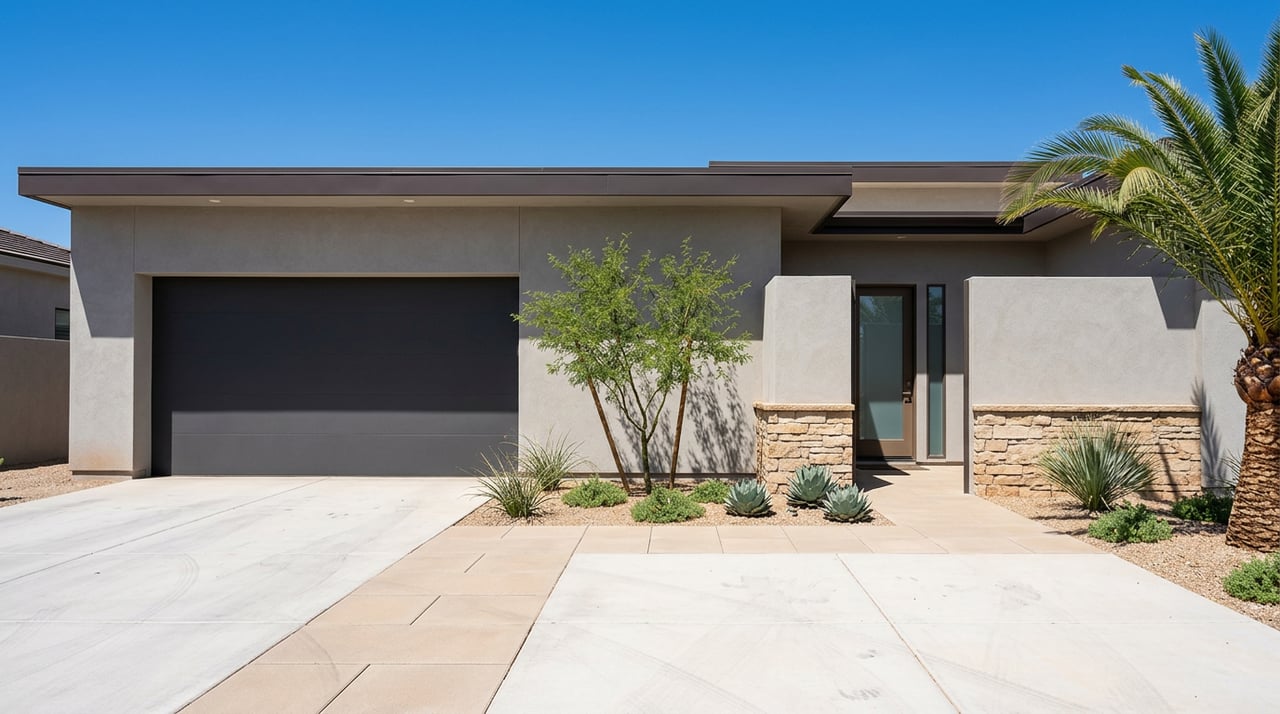
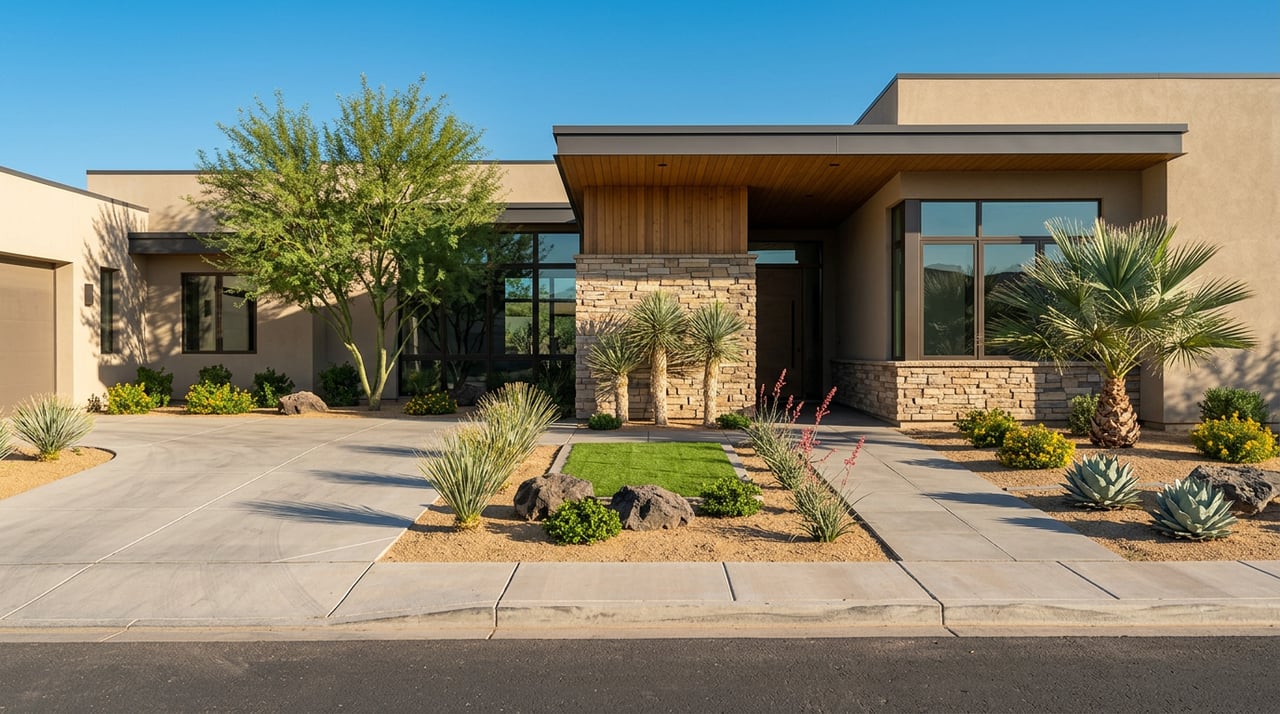
For a Paradise Valley home, this often means your first dollars should go toward visible maintenance and curb appeal. A fresh, well-kept exterior and move-in-ready main living areas can do more for buyer confidence than a large, highly personalized remodel.
Best Pre-Listing Priorities
Address deferred maintenance Fix the items that create doubt, such as roof concerns, worn surfaces, or mechanical issues.
Refresh paint and presentation Clean, neutral, well-maintained spaces usually photograph better and show better.
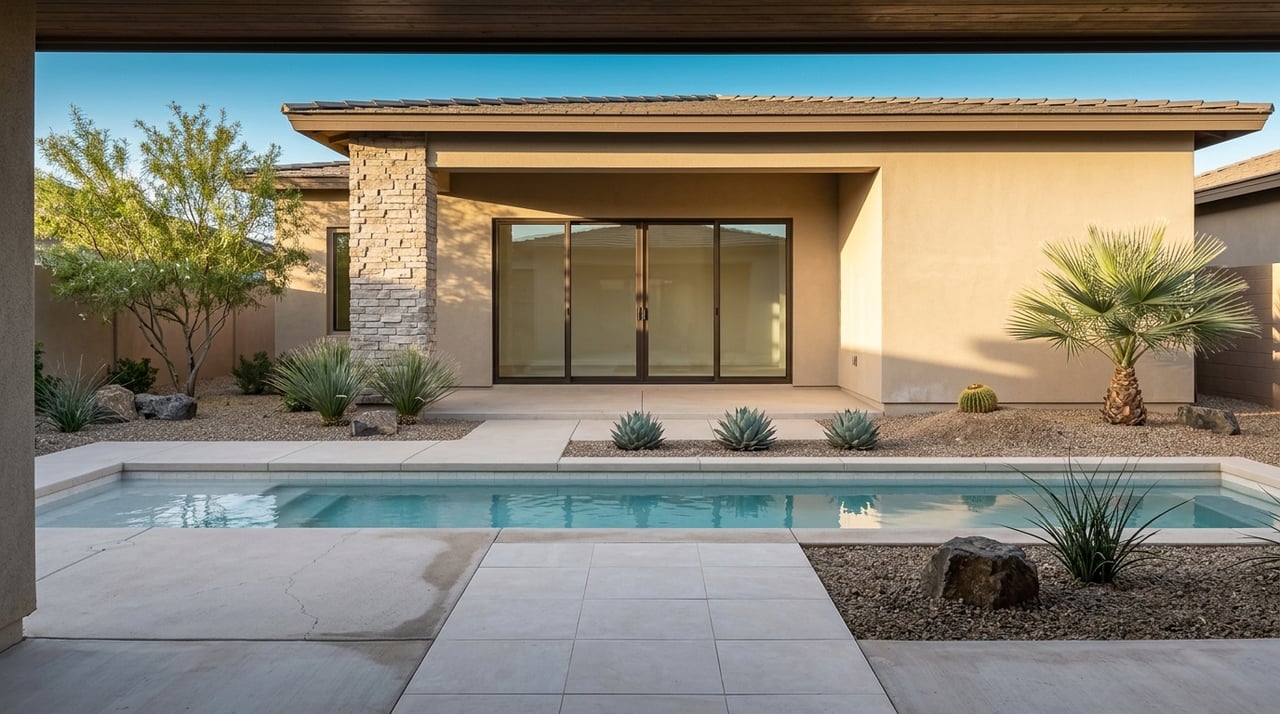
Upgrade exterior impression Buyers in Paradise Valley are likely to notice curb appeal, outdoor living, and how the home fits the lot and landscape.
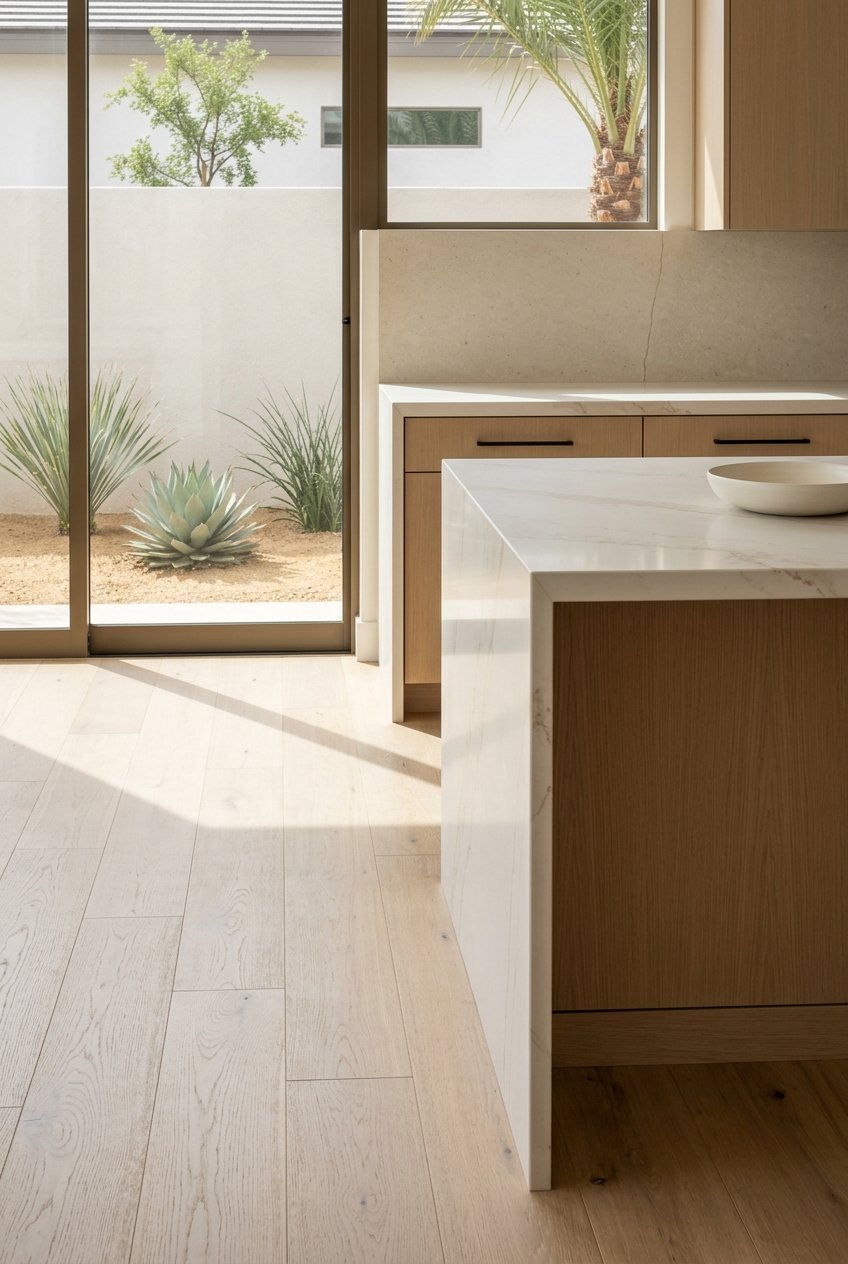
Tackle kitchens or baths only if necessary If these spaces are clearly holding the property back, selective upgrades can help. If they are acceptable and the home otherwise shows well, a full overhaul may not be needed.
Buyer Expectations in Paradise Valley
Paradise Valley is not just a numbers-driven market. The town’s planning materials emphasize preserving residential character, mountain views, native desert qualities, and design that responds to local context and climate. You can see that theme reflected in the town’s residential community guidance.
For you as a seller, that suggests buyers may respond well to homes that feel intentional, well-maintained, and connected to the setting. That does not automatically mean the home has to be fully reinvented. It may simply mean the property should feel coherent from the street to the backyard, with finishes and upkeep that support the home’s overall value.
What Buyers Are Likely to Notice
- Curb appeal and entry experience
- Roof condition and exterior maintenance
- Landscape coherence with the desert setting
- Outdoor living areas
- Main living spaces and kitchen condition
- Whether the home feels move-in ready
Permits Can Change the Math
One of the biggest remodel-or-sell factors in Paradise Valley is not design. It is process. Even a remodel that seems straightforward on paper can become more complicated if it requires multiple permits, longer reviews, or added site documentation.
According to the town’s requirements, single-family residential projects may involve grading and drainage documentation, native plant inventory and salvage planning, on-site retention requirements, and other civil-engineering items. The town also states that hillside lots with a building site slope of 10% or greater should be discussed with hillside staff before permit submission, and the Hillside Building Committee-related requirements can apply to remodels, additions, pools, solar, and accessory structures.
There is another practical issue to keep in mind. The town says permits are valid for 180 days and must have an inspection requested and passed within each 180-day period to remain active. In some cases, substantial additions or alterations may also trigger fire sprinkler requirements. Those details can materially affect budget, scheduling, and the decision about whether a remodel is worth starting before a sale.
A Simple Decision Framework
If you feel stuck, use this three-part filter.
1. How much work does the home really need?
Ask whether the property has a few visible issues or whether it needs a broad transformation. If the home only needs maintenance, paint, and presentation work, a pre-list refresh may be enough.
2. How soon do you want to sell?
If you want to be on the market soon, large remodels may work against you. Permit review, contractor schedules, and construction delays can push your sale farther out than expected.
3. Will the project stay manageable?
A project that stays cosmetic is very different from one that triggers site review, drainage work, hillside review, or major system changes. In Paradise Valley, that line matters.
Remodel vs. Sell in Paradise Valley
| Question | Remodel First | Sell As-Is |
|---|---|---|
| Condition issues are visible and fixable | Good fit | Less ideal |
| You want to list quickly | Less ideal | Good fit |
| Project needs major permits or site review | Less ideal | Good fit |
| You plan to stay longer | Good fit | Less relevant |
| Main issue is presentation, not structure | Good fit | Possible |
| You want less stress and fewer moving parts | Less ideal | Good fit |
The Best Plan Is Specific to Your Home
In Paradise Valley, the right answer usually is not “always remodel” or “always sell as-is.” It is usually a more tailored call based on your home’s current condition, your likely buyer pool, the expected price tier, and how much time and complexity you are willing to take on.
If you are weighing your options, a smart first step is to compare the likely value of the home in its current condition against the value after a targeted pre-list refresh. That kind of side-by-side planning can help you avoid over-improving, under-preparing, or losing time on work that may not move the needle enough.
If you want a practical, property-specific strategy for your next move, Mark Jennings can help you think through timing, presentation, and what changes may be worth making before you list.
FAQs
Should I remodel before selling a home in Paradise Valley?
- It depends on your timeline, the home’s current condition, and whether the work is targeted and manageable or broad and permit-heavy.
What home updates matter most before listing in Paradise Valley?
- The research points first to visible maintenance, fresh paint, roofing and exterior items, and then kitchen or bath updates only if condition is clearly holding the home back.
How long do Paradise Valley remodel permits take?
- The town states that plan review may take up to 15 business days, and permit processing can take an additional 3 to 5 business days after approval, depending on project scope.
Do Paradise Valley remodels ever require extra review?
- Yes. Depending on the property and scope, projects may involve grading, drainage, native plant planning, hillside review, or other town requirements.
Is selling as-is a bad idea in Paradise Valley?
- Not necessarily. If the remodel would be extensive, time-consuming, or risky from a permit standpoint, selling as-is can be the more practical choice.