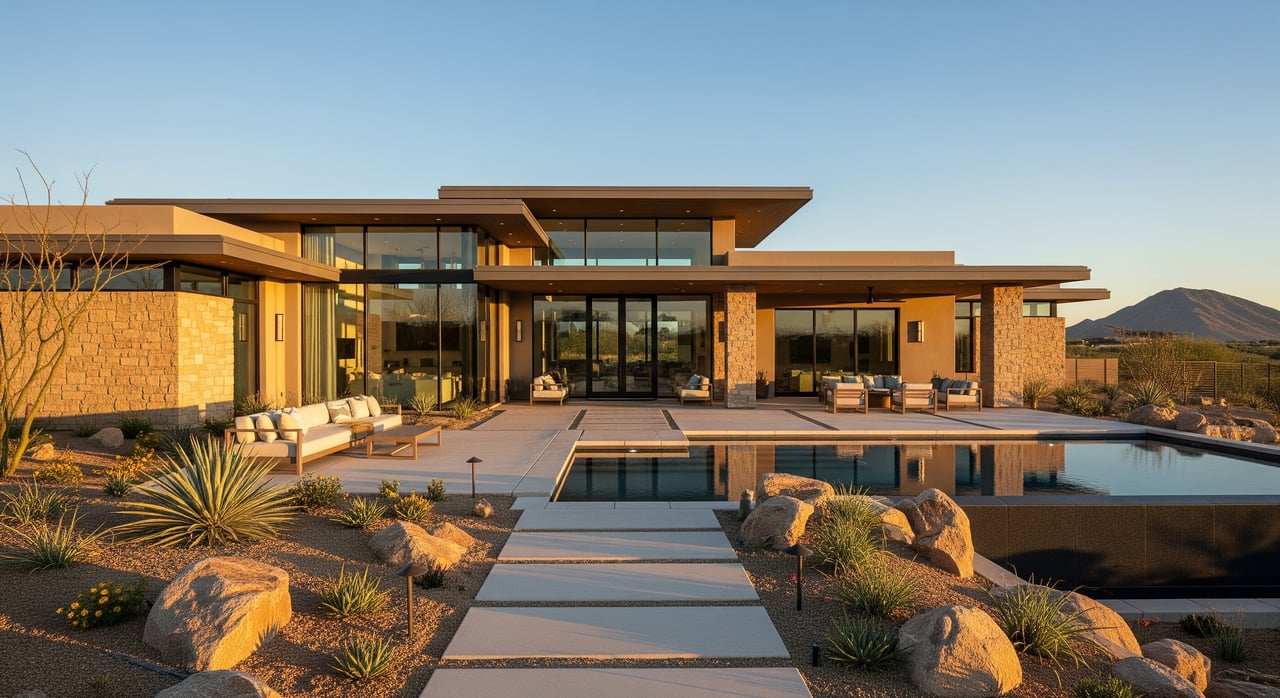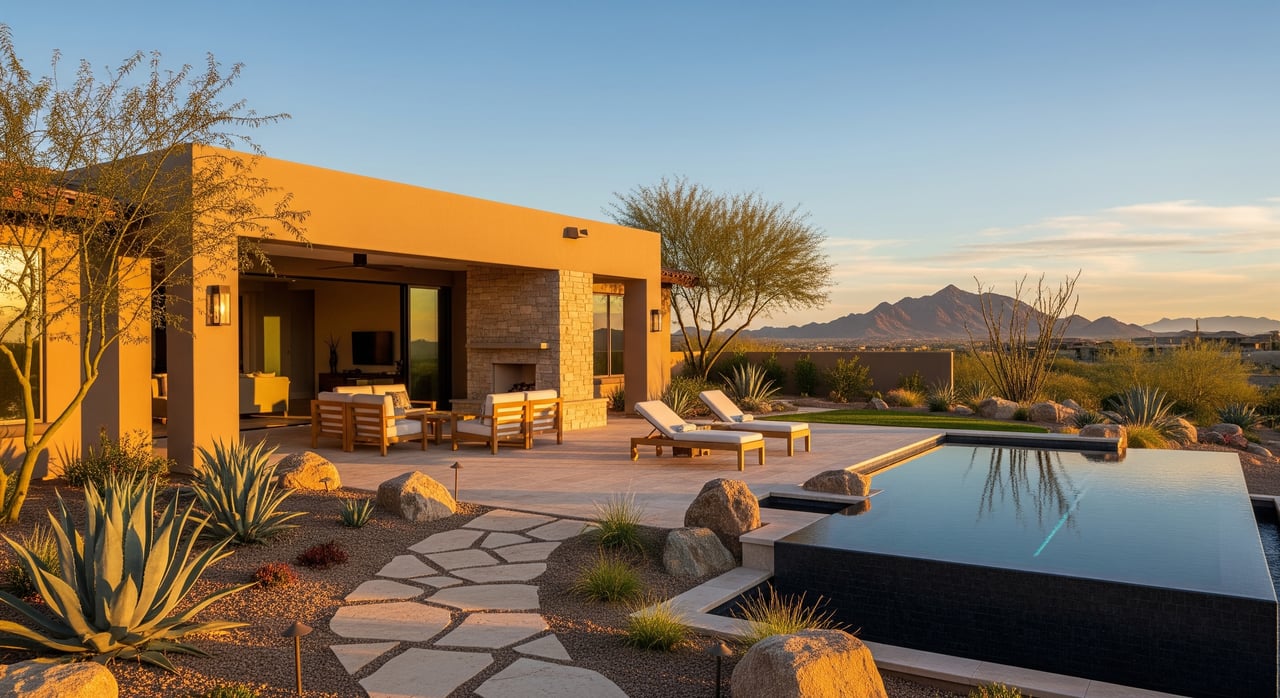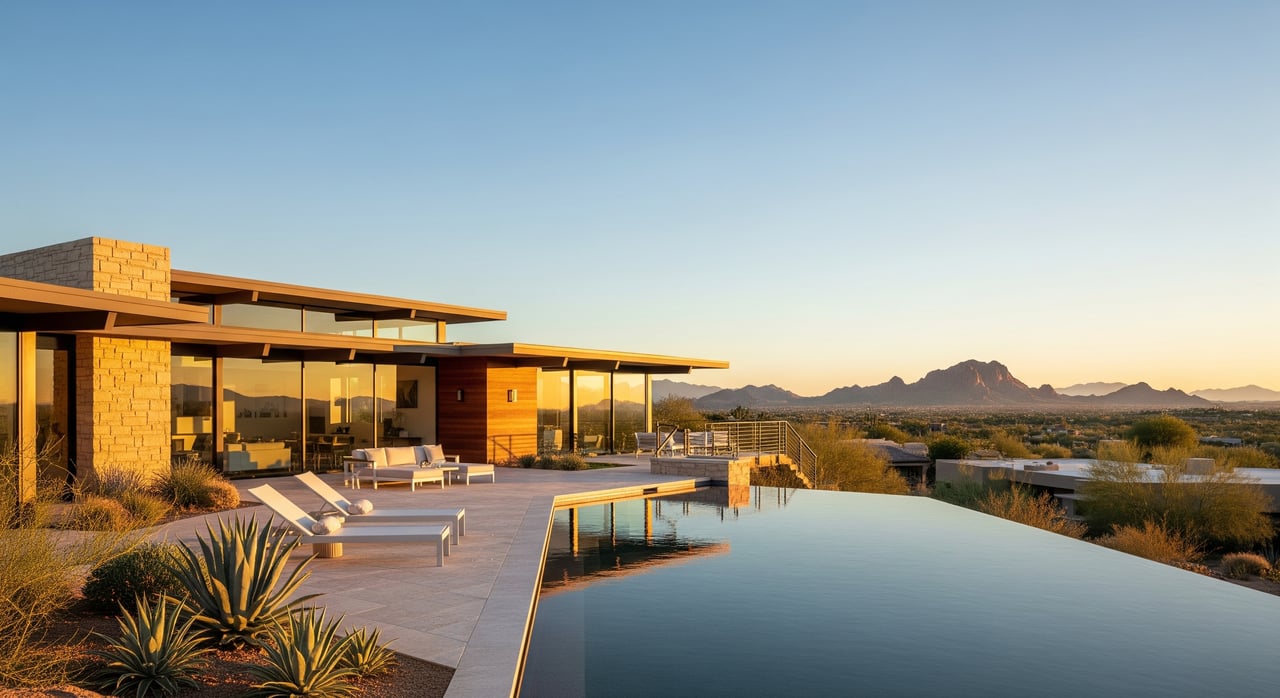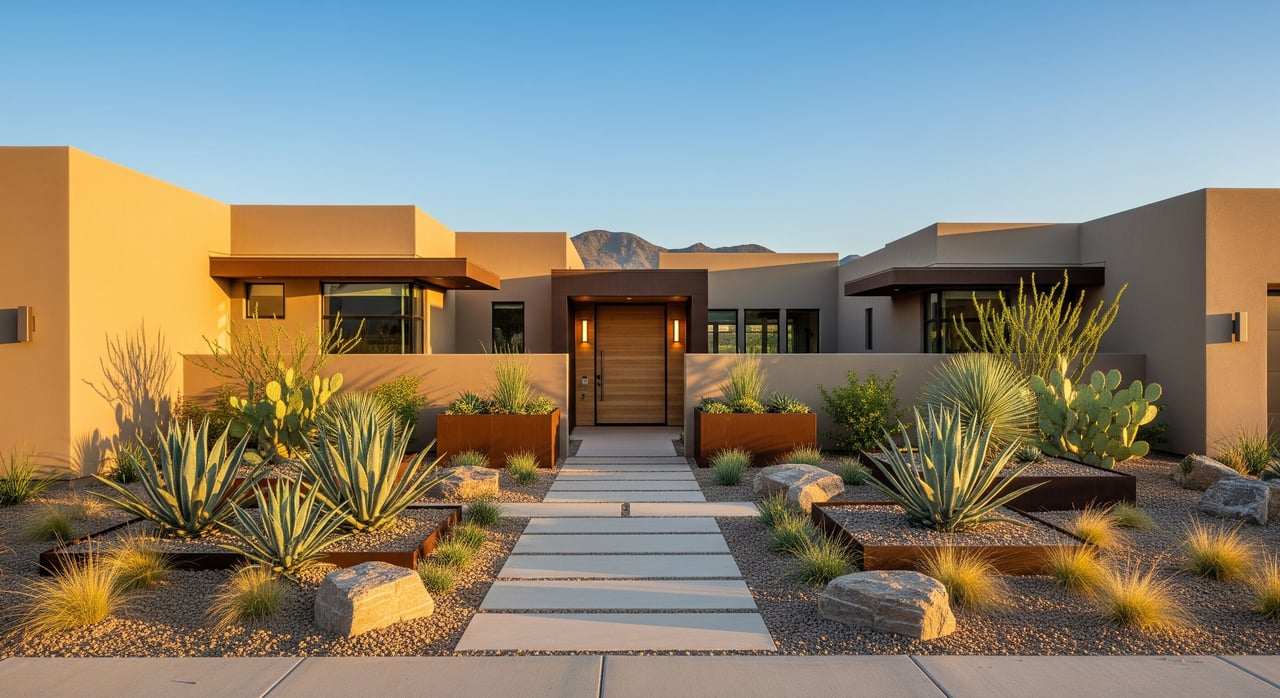
Want great curb appeal without a big water bill? In North Gateway, you can create a front yard that looks polished year round while using far less water than a traditional lawn. You live in a place with intense sun, minimal rainfall, and high evaporation, so your landscape has to work smarter. In this guide, you will find simple, HOA-friendly ideas that add color, structure, and value with plants and materials that thrive here. Let’s dive in.
Why low-water works here
North Gateway sits in the Sonoran Desert, which means very hot summers, mild winters, and low annual rainfall. Summer highs often top 100°F, and plants lose moisture quickly. The local USDA hardiness zone is roughly 9b to 10a, so choose heat-tough plants that can handle full sun.
Soils are often sandy or gravelly with fast drainage, and you may encounter caliche in spots. Improve planting holes as needed, and avoid over-amending the entire yard with heavy organic mixes. Before you make changes, confirm your HOA guidelines, and check any city watering rules or waste-of-water ordinances.
Design first
A good plan makes your landscape look intentional and upscale. Start by mapping sun and shade, hot reflected areas, and how water drains across the yard. Group plants with similar water needs together. This is called hydrozoning, and it keeps irrigation simple and efficient.
Use one or two focal elements near the entry. A small tree, an architectural agave, or a specimen boulder can anchor the design. Replace large, thirsty lawn areas with defined spaces, like a decomposed granite path, a gravel courtyard, or planted beds. Keep lines clean and plant sizes in scale with your lot.
Plants that shine in North Gateway
Choose desert-adapted species that need occasional water once established. Mix textures and seasonal color for interest.
Trees for shade and scale
- Palo Verde, yellow spring blossoms and filtered shade.
- Desert Willow, graceful form with summer flowers that draw hummingbirds.
- Mesquite, very drought tolerant, select smaller cultivars to fit your space.
- Ironwood, long-lived native for larger lots.
Shrubs and small accents
- Texas Ranger, purple blooms after humidity or monsoon periods.
- Feathery Cassia, silvery foliage with bright yellow flowers.
- Brittlebush, soft gray leaves and cheerful yellow daisies.
- Hopbush, durable structure and tidy form.
Flowering perennials and accents
- Desert Marigold, long-lasting yellow blooms.
- Penstemon, tubular flowers, strong seasonal color.
- Red Yucca, tall coral spikes that attract hummingbirds.
- Salvia varieties, extended bloom with low water needs.
- Ruellia, dependable purple flowers once established.
Succulents and cacti for structure
- Agave, bold architectural focal points in many sizes.
- Opuntia and cholla, native look with colorful pads and spring blooms.
- Aloe, great in protected spots or containers.
Groundcovers and turf alternatives
- Dymondia, low, tight groundcover that tolerates heat and light foot traffic.
- Gravel, crushed rock, or decomposed granite as the main groundcover with pockets of low plants for a clean desert style.
Low-water “lawn” choices
- Native warm-season grasses like buffalo grass or blue grama for small defined lawns, evaluate fit for your microclimate.
- Artificial turf for a green look with no irrigation, confirm HOA approval and consider heat reflection.
Smart irrigation that saves water
Efficient watering protects your plants and your budget.
Drip and micro-irrigation
Use drip lines or micro-sprays to deliver water to root zones with minimal evaporation. Keep emitters a bit away from the plant stem and expand coverage as plants grow.
Smart controllers and sensors
Weather-based or soil-moisture controllers adjust schedules as conditions change. These systems help you cut waste and protect plants during heat waves.
Hydrozones made simple
Place plants with similar needs on the same valve. Trees on deep, infrequent cycles, shrubs and perennials on moderate cycles, and succulents on lighter schedules.
Establishment vs. long term
New plants need steady moisture while roots develop, often for weeks to a few months. Trees need deeper watering during the first year. After establishment, shift to deep, infrequent cycles and reduce frequency in cooler months.
Hardscape and lighting upgrades
You can add impact without adding water.
- Pathways: decomposed granite or compacted gravel paths guide the eye and keep maintenance low.
- Boulders and dry streambeds: create texture, manage stormwater, and direct rain toward plant basins.
- Containers: grouped pots with succulents or drought-tolerant perennials make the entry feel inviting.
- Lighting: low landscape lighting highlights trees, steps, and house numbers for evening curb appeal.
Step-by-step plan
Check rules and rebates: review your HOA CC&Rs and City of Maricopa guidelines, and confirm any watering schedules or available programs.
Assess your site: note sun patterns, reflected heat from walls and driveways, drainage, soil type, and views. Mark utilities and call before you dig.
Sketch your layout: decide on focal points, paths, and planting areas. Group plants by water needs and plan irrigation circuits.
Prep soil and grading: ensure water flows away from the house, improve planting holes, and create shallow basins around plants.
Install irrigation: set drip with pressure-compensating emitters and connect to a smart controller. Test for leaks and coverage.
Plant smart: place larger trees first, then shrubs and perennials, with room to grow. Keep plants off the foundation and away from utilities.
Add mulch and rock: apply 2 to 3 inches of gravel or appropriate mulch, and set boulders for accent. Keep mulch off trunks and stems.
Establish and adjust: water consistently at first, then reduce frequency as plants take hold. Fine-tune the controller by season.
Easy maintenance
A water-wise yard should be simple to care for.
- Prune lightly for natural form and remove dead or crossing branches.
- Maintain mulch depth and clear a small gap around stems and trunks.
- Weed early and often while the landscape fills in.
- Adjust irrigation as temperatures change, increase during extreme heat and reduce in winter.
Common mistakes to avoid
- Planting high-water species in full sun without a plan for irrigation.
- Over-amending the entire yard instead of improving planting holes.
- Placing large plants too close to the house, sidewalks, or utilities.
- Piling mulch against trunks and stems.
- Skipping HOA approvals that your neighborhood may require.
HOA and city-friendly tips
Always review your HOA plant lists, rock colors, and front yard standards before you begin. Minor plant swaps usually do not need permits, but major hardscape, grading, or irrigation work may require approval. Call the local utility locate service before digging to avoid underground lines.
Many Arizona communities use watering schedules and have waste-of-water rules. Follow time-of-day guidance to prevent evaporation and overspray. If your local water provider offers conservation incentives, you may be able to offset some project costs.
Budget and timeline
A simple conversion can take days to a couple of weeks, depending on scope. Costs vary based on irrigation, hardscape, and plant choices, but you can phase the project to spread expenses. Over time, water-efficient irrigation and reduced lawn care can lower monthly bills. A tidy, intentional xeriscape can also increase curb appeal for buyers who value low maintenance.
Ready to sell with standout curb appeal
Curb appeal sets the tone for showings and photos. A clean, low-water design with fresh gravel, clear edges, and healthy plants signals pride of ownership. If you are preparing to list, focus on the entry path, lighting, and a few eye-catching accents. That combination photographs beautifully and feels welcoming in person.
If you want help prioritizing upgrades that buyers notice most and timing your sale for the best results, reach out to Mark Jennings. Request a Free Home Valuation and get a personalized plan to maximize your net.
FAQs
What low-water plants handle full sun best in North Gateway?
- Choose desert-adapted species like Palo Verde, Desert Willow, Texas Ranger, Red Yucca, and agaves, all of which tolerate heat and sun once established.
How often should I water new desert plants?
- Keep soil consistently moist during the establishment period, often weeks to a few months, then transition to deep, infrequent watering tailored to species and season.
Can I replace my lawn with gravel or artificial turf in Maricopa?
- Many homeowners do, but you must confirm HOA rules and any city guidelines, and consider heat reflection with artificial turf along with proper installation.
Will xeriscaping hurt my home’s resale value in North Gateway?
- A clean, well-designed xeriscape often improves curb appeal and attracts buyers who prefer low maintenance and lower water bills, especially when the design feels intentional.
Do I need permits or HOA approval for front yard changes?
- Minor plant changes usually do not need permits, but major hardscape, grading, or irrigation work may require approvals, and most HOAs require design review before changes.