Trying to decide between Paradise Valley and a place you keep hearing called “Desert View”? You’re not alone. The names sound similar, and both promise sunshine, mountain backdrops, and beautiful homes. You want clarity before you tour or make an offer. In this guide, you’ll get a simple way to define each option, a plain‑English comparison of lifestyle and homes, and a practical checklist to choose what fits you best. Let’s dive in.
What “Desert View” means here
“Desert View” can mean different things depending on who is talking. In the Phoenix area, it may be an official subdivision name, a gated enclave, or simply a way people describe homes with desert and mountain views near Paradise Valley, Scottsdale, or Phoenix. For this guide, you’ll see “Desert View” used as a view‑forward, hillside or foothill location near Paradise Valley where privacy and vistas are the draw. Exact boundaries vary by subdivision and city.
If you plan to buy or sell, confirm the exact subdivision name, city, and HOA status tied to the property you’re considering. That way, you base your decision on the real address and rules, not a nickname that changes across listings or conversations.
Paradise Valley snapshot
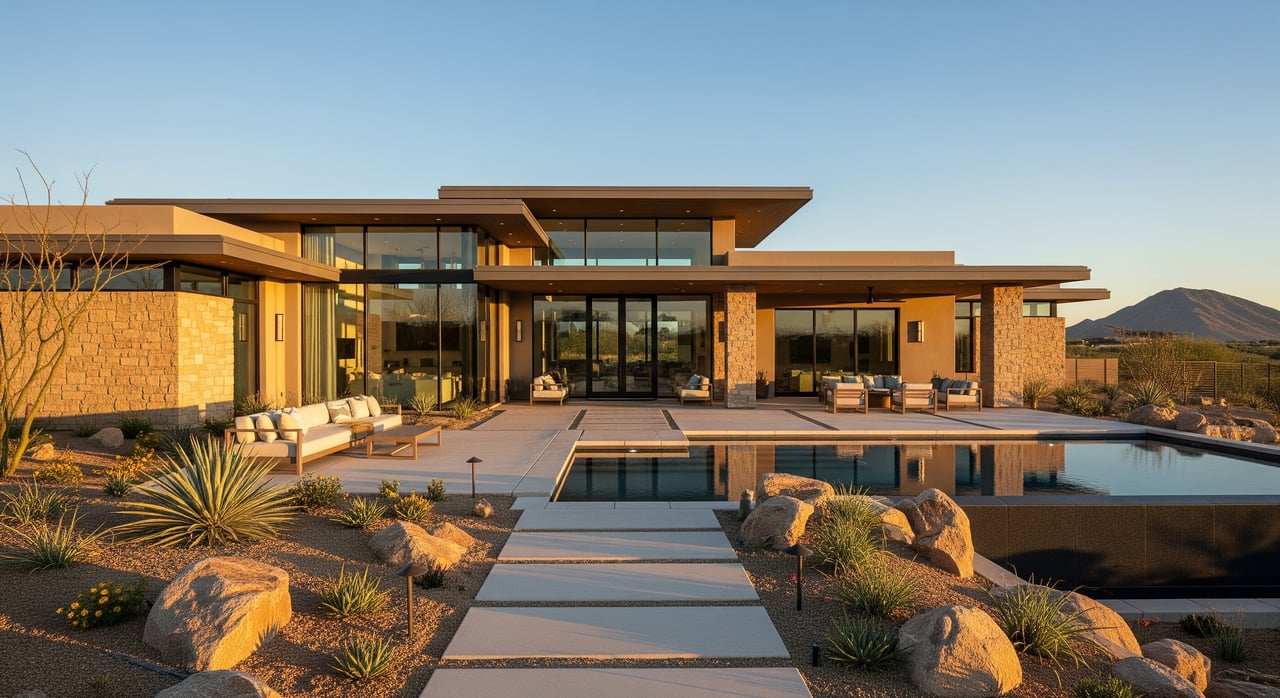
Paradise Valley is an incorporated town known for luxury custom homes, large lots, and low‑density living between Phoenix and Scottsdale. Many streets frame views of Camelback and Mummy mountains. The town is largely residential, with resort and club amenities nearby and a quiet, estate‑style feel on most blocks. Buyers often choose Paradise Valley for its privacy, prestige, and refined desert landscape.
“Desert View” snapshot
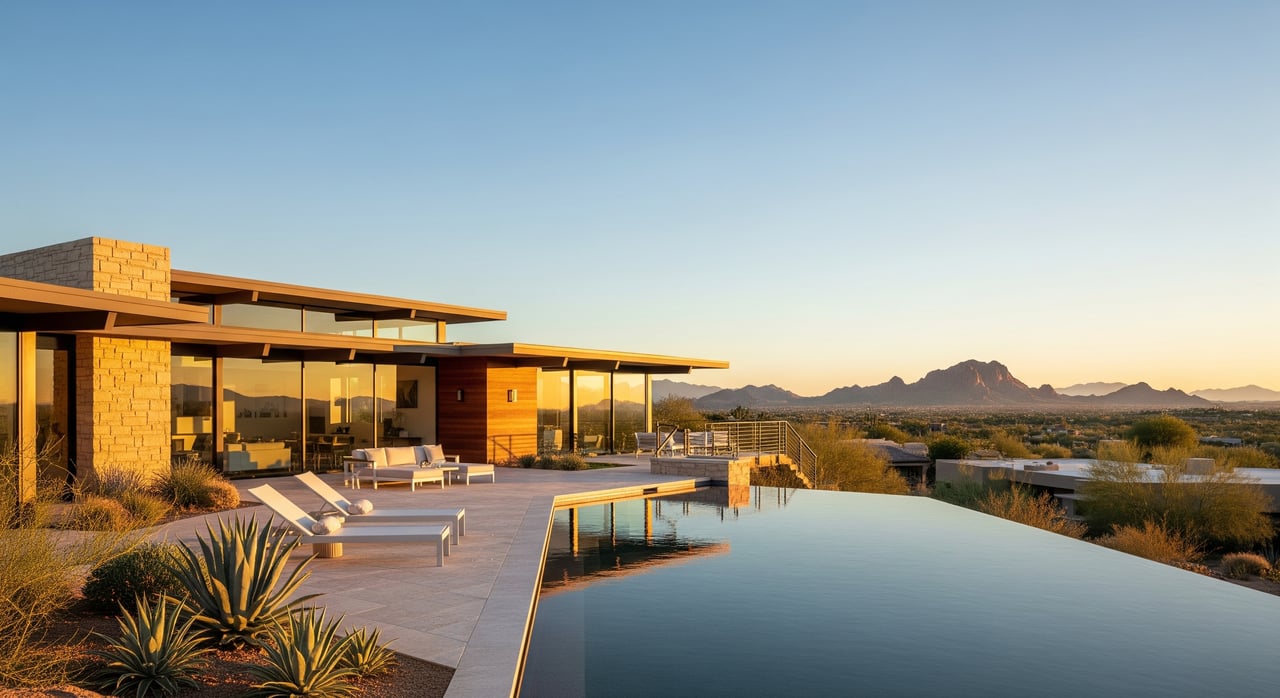
In this guide, “Desert View” refers to nearby hillside or view‑oriented pockets where the home and lot are positioned to capture desert, city‑light, or mountain vistas. These can include custom homes, smaller gated enclaves, or established subdivisions in the Phoenix or Scottsdale foothills that border or sit close to Paradise Valley. Buyers lean toward these areas for dramatic views, more seclusion, and an outdoor lifestyle centered on the terrain.
Side‑by‑side basics
Price and value
- Paradise Valley: Prestige address, large lots, luxury custom construction, and proximity to high‑end amenities. Prices typically reflect lot size, privacy, and location within the town.
- Desert View: View premiums are common. Prices can flex more by elevation, orientation, and sightlines than by the address alone. A home with protected views often commands more than a similar home without them.
Housing stock and style
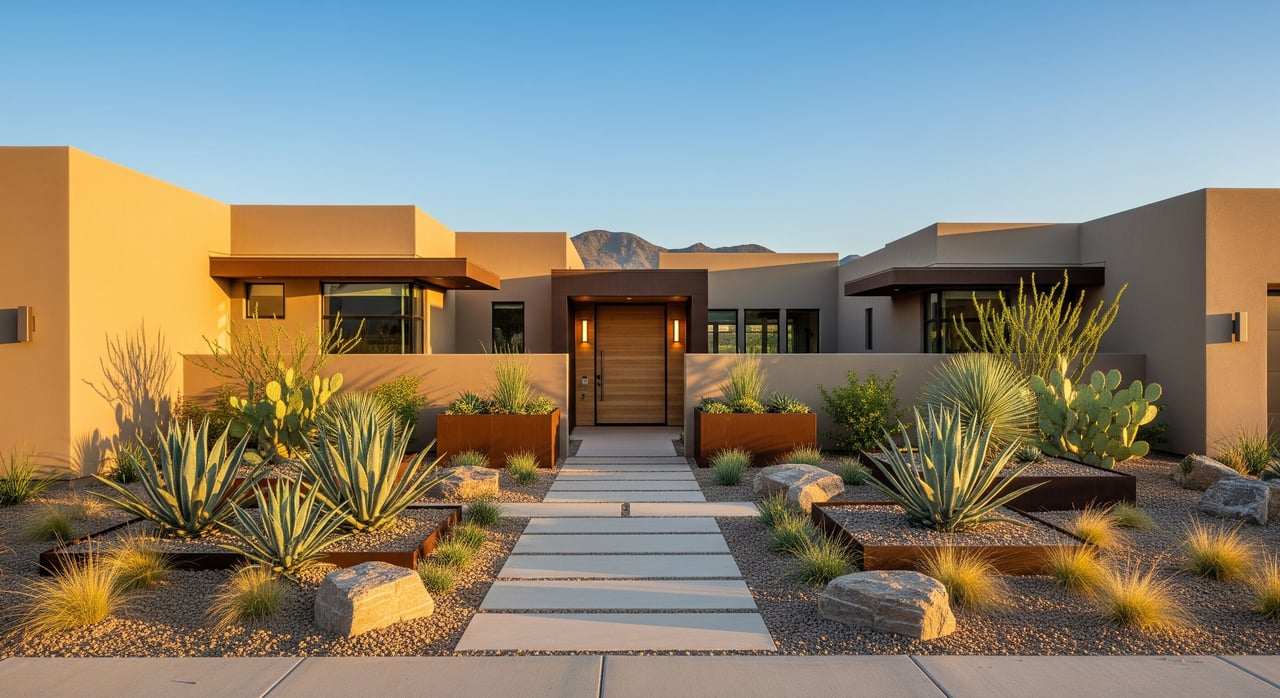
- Paradise Valley: Mix of mid‑century, Southwestern, contemporary, and newer custom estates. Many single‑level homes on generous parcels, plus a steady stream of rebuilds and renovations.
- Desert View: Architecture varies by subdivision and era. You may find contemporary builds with glass to the views, updated Southwest styles, and custom homes shaped by the hillside.
Lot size and topography
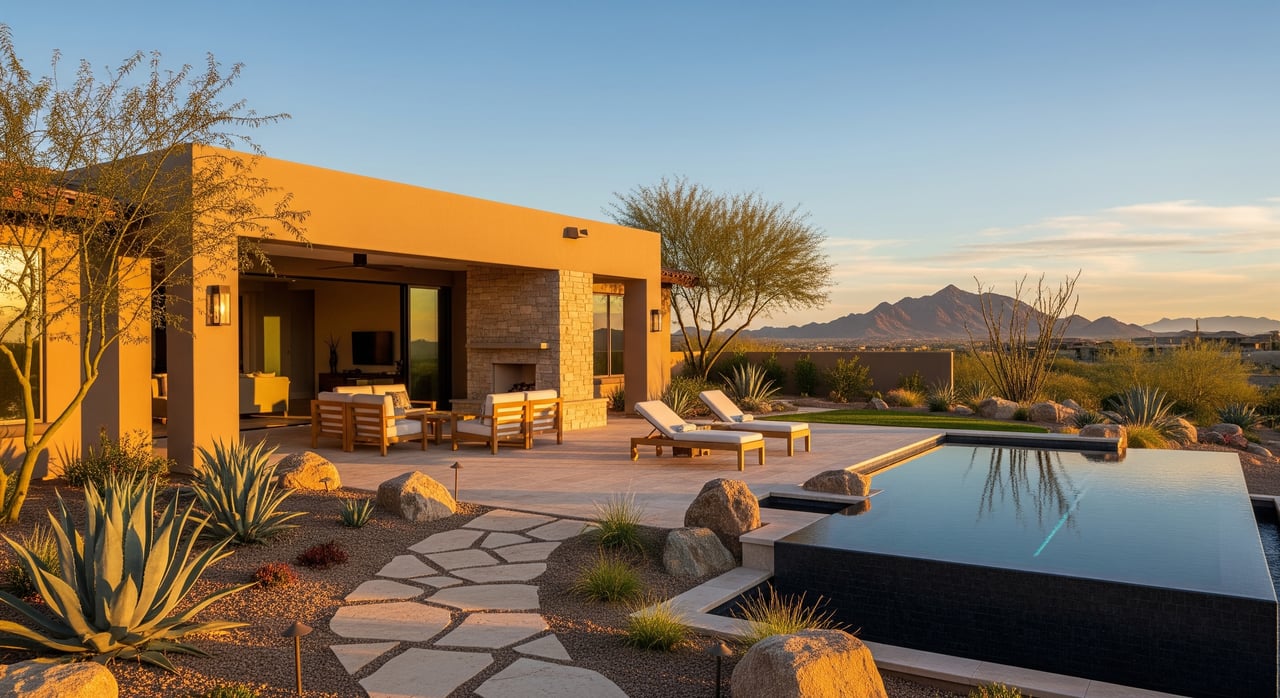
- Paradise Valley: Generally larger, flatter estate lots that make outdoor living spaces and single‑level plans more common.
- Desert View: Expect hillside or sloped lots. Outdoor areas may be terraced, and access can include longer drives or private roads.
Views and outdoor access
- Paradise Valley: Many streets feature mountain vistas and manicured desert landscapes. Trailheads, golf, and country‑club access are nearby across the Phoenix and Scottsdale borderlines.
- Desert View: Views are the headline. Depending on the parcel, you can get sweeping desert, city lights, and mountain ridgelines. Trail systems and preserves are often close, which appeals to hikers and cyclists.
Lifestyle and amenities
- Paradise Valley: Quiet residential feel with quick access to luxury resorts, dining, shopping, and services in nearby Phoenix and Scottsdale.
- Desert View: A more outdoors‑forward rhythm. You still reach restaurants, retail, and medical care within a short drive, but daily life often revolves around sunrise hikes and sunset patios.
Schools and education
- Paradise Valley: School assignment depends on the specific address. Some parcels fall within one district while others align differently. Always verify with an address lookup. Private schools are accessible within a drive.
- Desert View: District and assigned schools vary by city and subdivision. Confirm by address and check enrollment steps and any waitlists if applicable.
Zoning, building rules, and HOAs
- Paradise Valley: Known for low‑density zoning and town standards that shape setbacks and home placement. Many lots are not in an HOA, though some subdivisions have CC&Rs and architectural review.
- Desert View: HOA presence is more common in gated enclaves and planned subdivisions. Hillside homes may have extra engineering, setback, or design rules. Always review CC&Rs and any hillside guidelines.
Commute and access
- Paradise Valley: Central to Phoenix and Scottsdale employment centers, with a drive to major freeways and airports that varies by exact street.
- Desert View: Access can include longer or winding hillside routes. Your commute depends on the trailheads and ridgelines you live near, as well as freeway proximity.
Which fits you
The resort‑adjacent luxury seeker
You want a refined, quiet street with a prestige address and quick access to high‑end dining and clubs. Paradise Valley likely fits you.
The view and seclusion enthusiast
You dream in sunrise ridgelines and city lights. You prefer a home shaped to a hillside. A “Desert View” pocket could be your match.
The entertainer who loves outdoor space
You want a wide lawn, a pool, and single‑level living for easy flow. Paradise Valley’s larger, flatter parcels are a strong option.
The trail‑first weekend warrior
You plan your week around sunup hikes and bikes. A view‑oriented hillside area with quick trail access will likely feel like home.
The practical planner
You value easy in‑and‑out access, predictable maintenance, and flexible remodel options. Paradise Valley’s town standards and flat lots can simplify your plan.
Touring tips for view properties
Use this checklist when you tour homes with desert or mountain vistas:
- Stand in key rooms at different times of day to check glare, shade, and privacy.
- Confirm what protects the view. Ask about easements, height restrictions, and future build potential nearby.
- Evaluate access. Test the drive up and down the hill for comfort, lighting, and delivery access.
- Inspect drainage and erosion control. Look for proper grading, retaining walls, and scuppers.
- Review utility placement and service. Confirm water, sewer or septic, and electric routes to the home.
- Measure outdoor usability. Terraces and patios should feel safe and functional.
- Consider noise. Check for traffic, aircraft patterns, and neighborhood activity.
Selling strategy differences
If you own in Paradise Valley:
- Lean into lot size, privacy, and single‑level flow.
- Highlight modernized systems and permitted improvements.
- Invest in professional media that captures outdoor living and refined finishes.
If you own in a “Desert View” enclave:
- Lead with sunrise and sunset scenes, plus protected view lines.
- Use aerials and twilight photography to show elevation and privacy.
- Explain access, drainage, and any hillside engineering in clear, buyer‑friendly language.
For both:
- Prep complete disclosures and HOA documents early.
- Stage for outdoor living. Clean hardscapes, refresh desert plantings, and light entertainment zones.
- Price for today’s buyer. Balance the view premium with the home’s livability and maintenance profile.
Costs, utilities, and insurance
- Property taxes: Assessed and billed by Maricopa County. Actual taxes vary by parcel and value. Request recent tax history for the specific address you are considering.
- Utilities: Service can vary by street. Some homes connect to municipal water and sewer. Others operate on septic or have different utility providers. Verify before you write an offer.
- Insurance: Hillside properties can face unique risks such as stormwater management, wind, and monsoon events. Desert vegetation and topography also matter. Ask your insurer to quote coverage based on exact location and elevation.
- Maintenance: Desert landscaping often means drip systems, pruning schedules, and attention to drainage. Hillside homes may require periodic wall inspections and hardscape upkeep.
How to confirm the details
- Verify the municipality. Confirm whether the address is inside the Town of Paradise Valley or within Phoenix or Scottsdale borders.
- Look up the subdivision. Use the recorded subdivision name to find CC&Rs, HOA contacts, and rules.
- Check zoning and permits. Review setbacks, lot coverage, hillside guidelines, and any recent or pending permits.
- Confirm school assignment. Use an address‑based lookup to see current district and schools, then review enrollment steps.
- Ask for a data‑driven comp set. Request recent sales that match your target home’s lot type, view quality, and improvements.
Ready to compare on the ground
If you want help confirming the exact boundaries, HOA details, and the sales data that matter, you do not have to decode it alone. With a clear plan, you can choose a home that fits your lifestyle, your commute, and your long‑term goals.
When you are ready, connect with Mark Jennings for a friendly, no‑pressure conversation about your options and a custom plan for touring or selling. He will help you see the tradeoffs clearly and move forward with confidence.
FAQs
What does “Desert View” mean near Paradise Valley?
- It can be an official subdivision name or a general way people describe view‑oriented hillside areas near Paradise Valley; verify the exact subdivision, city, and HOA for the property you are considering.
Are views worth a price premium in this area?
- Often yes; buyers typically pay more for protected, high‑quality views, but the actual premium depends on orientation, elevation, and how secure the view is.
Do Paradise Valley homes usually have HOAs?
- Many Paradise Valley parcels do not have HOAs, though some subdivisions do; always check CC&Rs and any architectural guidelines tied to the specific lot.
How do school assignments work in Paradise Valley and nearby areas?
- School districts and assignments depend on the address; use an official address lookup to confirm current schools and enrollment steps before you decide.
What should I look for when touring hillside homes?
- Check access roads, drainage, retaining walls, utility routes, and view protections, then walk outdoor areas for safety, shade, and daily usability.
Are there special building rules for hillside lots?
- Many hillside areas have added restrictions on grading, height, and materials; review local codes and HOA architectural guidelines before planning changes.